
- Home
- Social network
- Things to do
-


When selfies go wrong: don’t smash, break or damage artworks!
An Italian student smashed a Greek sculpture at Milan’s Academy of Fine Arts of Brera after he hopped on its lap in order to capture that perfect selfie.
- Travel routes
- Fellow travelers
-
In Oaxaca, Mexico, you can’t celebrate the holidays without radishes!
Every year on December 23, the Mexican state of Oaxaca presents the most impressive display of carved vegetables in the world.
- Stories
All content and media files are published under a Creative Commons Attribution-ShareAlike 4.0 International License (CC BY-SA 4.0)

Dimitrie Gusti National Village Museum
Bucharest and surrounding
Culture, Traditions, Folklore, Museums, Galleries, Exhibitions
Address: Sos. Kiseleff, nr. 28-30, sector 1
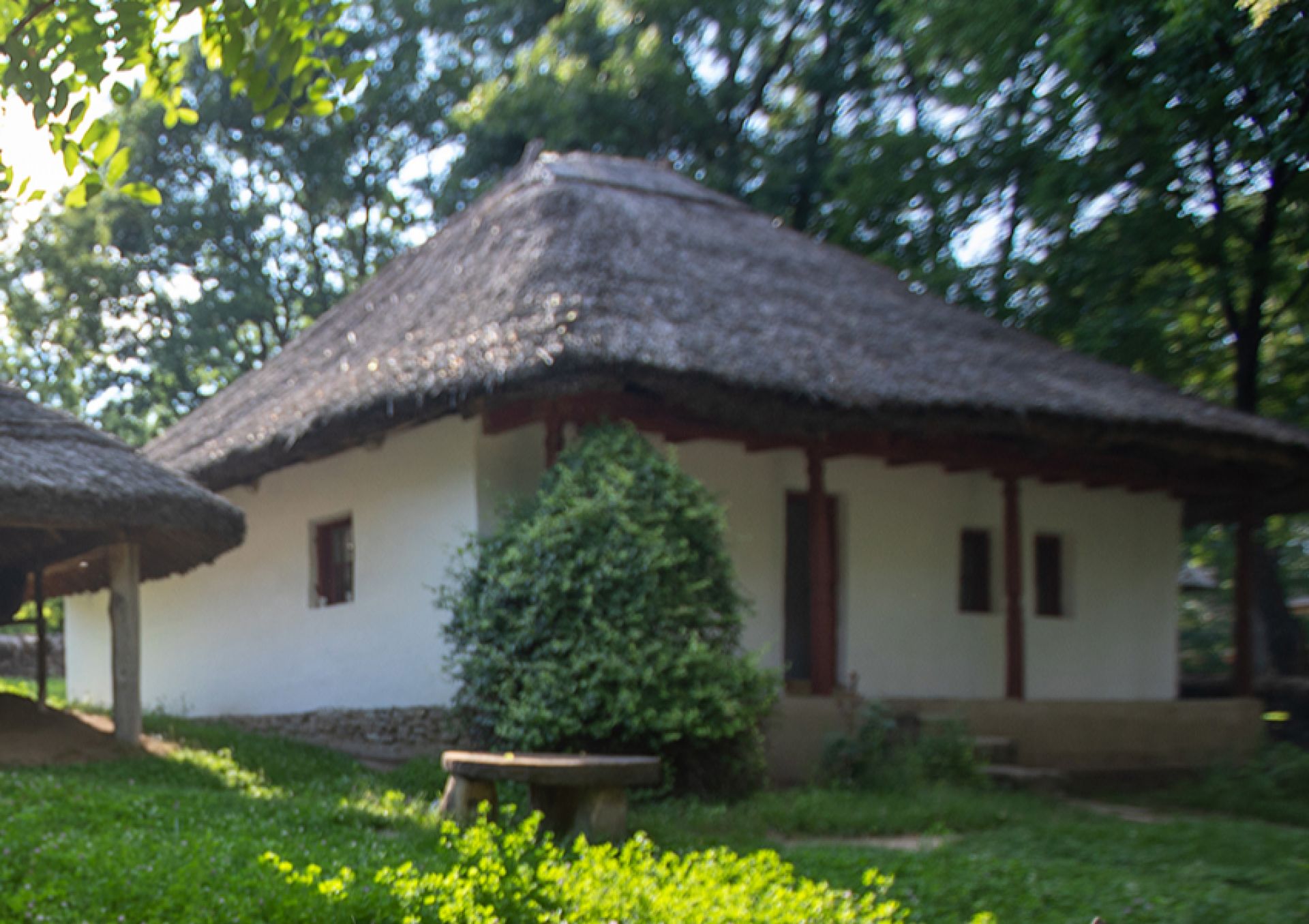
Romania has been an agrarian country for centuries. The favorable climate is hot and dry (here they say: "drive a stick into the ground, and it will bear fruit"). The soil is saturated with underground springs. So farmers can work almost 9 months a year, gathering rich harvests. But the development of technology over the past 100 years erased the border between the village and the city. Thatched roof houses, wells, mills, pottery, colored woven carpets become a thing of the past. In the 30s of the 20th century, to preserve and bequeath these things, the Romanian ethnographer Dimitrie Gusti proposed to create a museum of the village.
King Carol II of Romania allocated a place on the shores of Herastrau Lake and personally attended the opening of the museum, which took place in the capital in 1936. Over the years, the open-air exhibition area has expanded from 4.5 to 12 hectares. Today, the museum has 332 buildings of the 15th-19th centuries. Actually, it is a composite portrait of a Romanian village: the exhibits were brought here from all over the country. 130 builders dismantled a building, numbered and photographed all the parts, and then brought them to Bucharest by rail and assembled them in the same order. Thanks to their patient work, you can still admire residential houses, outbuildings, wind and watermills, and even rural churches in this ethnographic museum.
In many houses, you can come inside and see furniture and household items. Everything is filled with love and comfort: it seems that a Romanian peasant woman is going to open the door and come in with a basket of grapes or a jug of milk. The museum is amazing, huge, authentic. It invites visitors to learn the true history through the everyday life of ordinary people. Neither children nor adults will get bored.
There is a gift shop at the museum entrance, which is highly recommended to visit. There you can buy cheap local handicrafts. Next to it, you can visit a cafe serving national cuisine.
