
- Home
- Social network
- Things to do
-

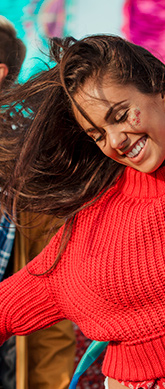
When selfies go wrong: don’t smash, break or damage artworks!
An Italian student smashed a Greek sculpture at Milan’s Academy of Fine Arts of Brera after he hopped on its lap in order to capture that perfect selfie.
- Travel routes
- Fellow travelers
-
In Oaxaca, Mexico, you can’t celebrate the holidays without radishes!
Every year on December 23, the Mexican state of Oaxaca presents the most impressive display of carved vegetables in the world.
- Stories
Euphonious poems and music, the splendor of clothes and the luxury of jewelry, lovely princesses in palaces and feared, but just sultans, with beautiful mosques everywhere... There is nothing that the Easterners can’t cope with and that wouldn’t drive the Westerners crazy with awe!
But what really Asian men are unrivaled in, whatever corner of the earth, is bargaining at a bazaar. Since long ago, trade for the Easterners hasn’t so much been a business but more of an art form. The ancient oriental bazaars are no less coveted tourist destinations than forts, castles, temples, and museums. They are in every country and capital, but there exist the oldest oriental gems, where they traded since the Middle Ages. The ancient Mutrah Souq market is considered such a treasure of Oman and Muscat. Even before the oil boom, they traded rare goods from different parts of Oman there.
One of the oldest bazaars in the Arab world stands near the harbor of the Oman capital, on the ancient trade route to India and China. Back then, sailing ships from all over the world arrived here, bringing rare and valuable goods, and engaged in heated disputes, the ever-present Eastern market feature, even up today. Since then, little has changed in the modern Mutrah market. Here, shops are still stuffed with outlandish goods, and there are so many buyers that even the rays of the southern amber sun can’t reach inside. That’s why the bazaar received its second name, “Al Dhalam,” which translates from Arabic as “darkness.” Exotic fruits and vegetables, sweet dates and spices, white thawb clothing for men, and gold and silver embroidered abayas for women—you can buy anything from fragrant oriental perfumes to traditional household items. Girls will undoubtedly love silver and gold jewelry. Men will be glued to the counters with the traditional Arab khanjar daggers and luxurious smoking pipes.

Published by
Diane MikheevaAll content and media files are published under a Creative Commons Attribution-ShareAlike 4.0 International License (CC BY-SA 4.0)